

Entrepreneur

start supermarket alone or with business partner

Should You Start a Supermarket Alone or With a Business Partner? (Pros & Cons Explained)

Starting a supermarket requires proper planning of the budget, store layout, goods storage, and manpower, and understanding the supermarket setup costs in India helps you plan your investment realistically. Before taking any initial step, you should assess your capability and decide whether your business needs a partner. Your choices will depend on your budget, business plan, and the experience you have, as well as your ability to manage day-to-day operations effectively. This blog explains both options in a practical way, with clear pros and cons, so you can make a smart decision. Why This Decision Matters in the Supermarket Business A supermarket business requires proper management. It is not a “set and forget” type of business. It needs daily attention, as it involves managing inventory, staff, suppliers, customer service, pricing, billing systems, cleanliness, and other services, all of which are part of the daily challenges of running a grocery store. If any one of these areas becomes weak, the overall supermarket management becomes imbalanced. This imbalance can create a bad impression on customers, which will negatively impact the business. Therefore, it is important to choose the right business model, whether sole ownership or partnership. The right model helps you decide how to handle all the different aspects of running a supermarket efficiently. Starting a Supermarket Alone: Pros and Cons Many people consider starting a business alone as the best choice because there is no need to face conflicts or losses caused by others’ mistakes. However, in this case, you have to make the entire investment yourself and handle both profits and losses alone. Pros of Starting Alone 1. Full control over decisions You have complete control over decision-making. There is no need to worry about disagreements while making important choices. You can make quick and effective decisions based on your experience. Fast decision-making helps you adapt easily to market changes and earn profits. 2. Clear ownership and profit sharing There is no need to share profits with anyone, as all earnings belong to you. You do not need to spend time discussing or explaining decisions to others, which makes business operations smoother. 3. No conflicts in vision or execution Sole ownership is preferred by many investors because the owner does not need to face conflicts. Decisions are clear, and the business runs according to a single vision. You have full control over every point of view, which helps ensure better long-term stability in management. With a proper system set up, having only one decision-maker allows faster execution of decisions, helping the business grow steadily. Cons of Starting Alone 1. Full financial burden All financial investments must be made by you alone. If any financial loss occurs, it has to be managed by a single investor. This can create pressure on the owner. 2. All responsibilities are on you All management tasks are handled by one individual. Business strategy, market demand analysis, staff management, and financial budgeting must all be managed alone, along with managing daily supermarket operations, which can be stressful. 3. Harder to manage Many people may not give proper time to the business daily, which can lead to mistakes and result in losses risk is 100% yours. If there is any loss, it will have to be handled by you alone. However, if you are experienced, then you will have the capability to handle all such circumstances effectively. Starting a Supermarket With a Business Partner: Pros and Cons When you start a business with a partner, the responsibilities are shared between both partners. This helps to enhance the business when both individuals work together using their expertise. Pros of Starting with a Partner 1. Shared Investment Reduces Pressure When two partners invest together, they share the financial pressure as well as the working pressure. One partner may look after the marketing function, while the other looks after management tasks and customer handling. 2. Workload and Responsibilities Can Be Divided When there are partners in a business, they share the workload, which helps to reduce the workload. Two individual partners can contribute their expertise—for example, one may have experience in marketing management and the other in operations or administration, including efficient inventory management.The other partner may have expertise in customer management. Both partners, with their skills, help to enhance the business. 3. Better Decision-Making When both partners have a good understanding of the business, they can identify the pros and cons of any policy they plan to implement. By discussing all aspects of a decision, they can implement the policy effectively and make proper decisions by considering both sides. 4. Improved Continuity and Backup In a partnership, when one partner is weak or unavailable, the other partner can step forward to manage the business. This helps to keep the business stable and ensures smooth working with a strong base. Cons of Working with a Partner 1. Profit Sharing Reduces Personal Earnings All profits made in the supermarket must be shared among the partners. This can reduce individual choice over the use of profits. 2. Conflicts Can Damage Trust Conflicts are commonly found in partnerships. 3. Issues Mostly Found in Partnerships Difference in expected profits Difference of opinion Conflict over working time Misunderstanding over decisions and policies Conflict over hiring more staff and management decisions 4. Slow Decision-Making in Urgent Situations In the retail business, quick decisions are often required to attract more customers. If decisions are delayed, opportunities to make profits may be lost. 5. Trust Issues if Roles Are Unclear If responsibilities are not properly divided, both partners may start questioning each other’s actions. This can create misunderstandings and reduce trust between partners. When Starting Alone Is a Better Choice Starting alone is good for you if you meet the following criteria: You are capable of handling all funds and meeting the budget requirements of the business. You have the ability to make quick decisions independently. You have the capability to handle customers and have a good understanding of market supply and demand. You are a person

Should You Start a Supermarket Alone or With a Business Partner? (Pros & Cons Explained) Read More »
small supermarket startup cost in india

How Much Does It Cost to Start a Small Supermarket in India?

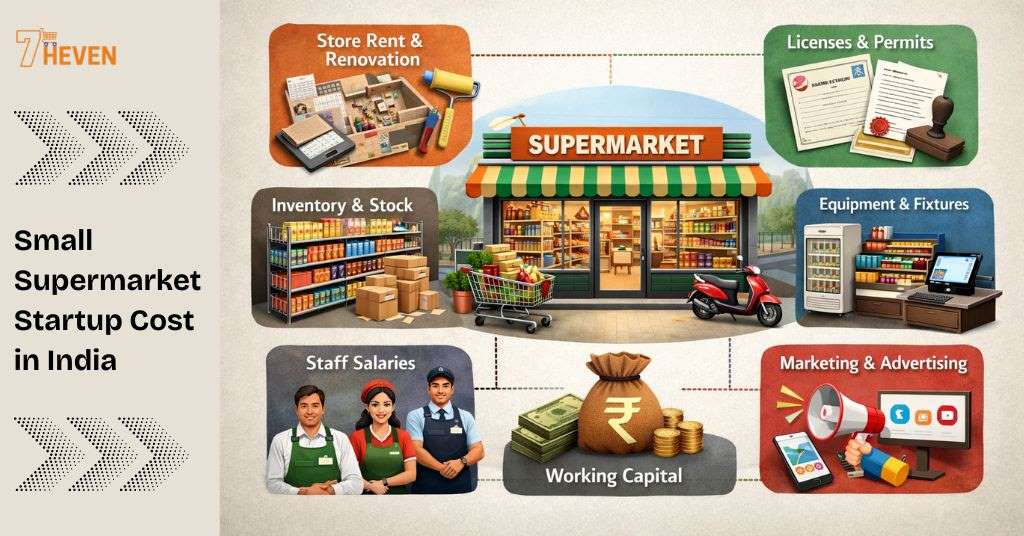
Starting a small supermarket has turned into a lucrative venture in India, especially in Tier, 2 and Tier, 3 cities. The new generation of entrepreneurial spirits no longer wants to be identified as a kirana store, but rather they want to set up a modernized supermarket with more product mix, neatly arranged shelves and a place where they would feel comfortable shopping.  However, before anything else, there is this one single and usual question:  How much would it cost to start a small supermarket in India?  The question doesn’t have a definite answer. The total investment depends on various factors, which include the size of the store, location, rent, interior setup, inventory planning and recurring operating costs. We, at the blog, simplify the costs from a jargon, free, easy, to, understand and practical perspective so that you can draw your business plan for the supermarket. What Is Considered a Small Supermarket in India? A kirana store is usually very small, while a small supermarket is bigger but still very small compared to large retail chains or hypermarkets in India. These are mainly stores that deliver to the immediate residential neighbourhoods, housing societies, and local neighbourhoods. A small supermarket usually includes: Shopping design self-service Exhibited racks with various brands A POS-based billing system Foodstuffs, everyday, and consumer goods The majority of small supermarkets’ operations are between 1500 and 2000 square feet, and this is the area where the variety of products can be offered without causing a significant increase in the cost of operations. This size is perfect for neighbourhood shopping and it is a good fit for an urban area that is developing. Space Requirements of a Small Supermarket How much store space you will need is the most important factor in the cost of starting up. It is not only about the size of the shop, but more of how the place is used. A well-laid out supermarket should have areas to move, products on shelves, bill counters and a small storehouse. If the space is not enough, the customers will be packed. If it is too big, the rent and set-up costs may be increased unnecessarily. Mostly they are buying ground-floor shops because they are more comfortable for the customers, especially when carrying heavy and monthly groceries. Store Size Guide Store Size Best Use 1200–1500 sq ft Compact neighbourhood store 1500–2000 sq ft Small supermarket in ideal size 2000+ sq ft High-traffic or high-end areas They are typically preferring to use ground-floor shops because they are more convenient to the customers, particularly when carrying heavy and monthly groceries. Read More : Mistakes to Avoid When Choosing a Location for Your Supermarket Business Main Cost Components for Starting a Small Supermarket The total amount of money to start a small supermarket is divided into different groups of expenses. Understanding each of them will make you plan better and not run into unplanned costs. Shop Rent and Security Deposit Rent mainly depends on the city, area and traffic of customers. The rents of the shops that are close to residential societies or on busy roads are usually high as well as have more customers. Usually, landlords will also ask for a security deposit, which they will return, besides the monthly rent. The rent cost should be one of the factors in the decision-making process, and thus choosing a very low rental place may save you money, but the business may be negatively affected, so you should weigh the rent against the business potential. Interior Furnishing, Shelving, and Store Planning Such a price will be enough to cover racks, shelves, billing counters, lighting, simple flooring and minimal branding. A small supermarket does not need luxurious furnishing; it is enough just to make it clean, organized and well-lit. New store owners, in majority, spend too much money on interiors that will not increase their sales. Small supermarkets should be provided with simple and practical layouts. Initial Inventory and Stock Cost The biggest cost of setting up a supermarket is usually the inventory. It includes groceries, packaged food, daily necessities, personal care, and household products. An intelligent inventory strategy is about: Fast-moving goods that are used every day Locally popular brands A moderate mix of low and high-margin products The common mistake at a typical launch is overstocking. It ties up capital and increases product expiration risk. Stock levels should be aligned with demand at the local level. Must Read: Choosing the Right Model for Your Supermarket Business Billing System and POS Software Efficient billing and POS systems are a must in modern supermarkets. Paper-based billing is time-consuming at checkout and stock management becomes difficult. A POS system supports with: Faster billing Inventory tracking Sales analysis Deal and offer management The price of POS systems may be quite low, but they are very important in everyday operations. Licenses and Legal Requirements Several basic licenses are required by a supermarket to operate legally. These include: Food products registration by FSSAI GST registration Shop and Establishment license The expenses involved are usually very small, and non-compliance with legal procedures may cause a big problem later. Staff and Monthly Operating Expenses These recurring expenditures should be planned ahead so that money will be saved during the first months. Estimated Total Cost to Start a Small Supermarket Since costs vary from city to city, it is better to think in terms of cost share instead of exact numbers. Category of Cost Approximate Share Inventory High Store design and interior design Medium Rent & deposit Medium Technology & billing Low Licenses & misc Low Initial buffer Of great essentiality Overall, starting a small supermarket requires careful planning rather than heavy spending. Smart decisions can help you control cost without compromising quality. With the right understanding of expenses, layout, and inventory, entering the supermarket business becomes a structured and achievable opportunity for new entrepreneurs. Typical Mistakes That Raise the Startup Cost Most of the newly first-time supermarket owners plan badly and as a consequence, they overspend. First-time owners

How Much Does It Cost to Start a Small Supermarket in India? Read More »

How to Open a Kirana Store

An Ultimate Guide: How to Open a Kirana Store

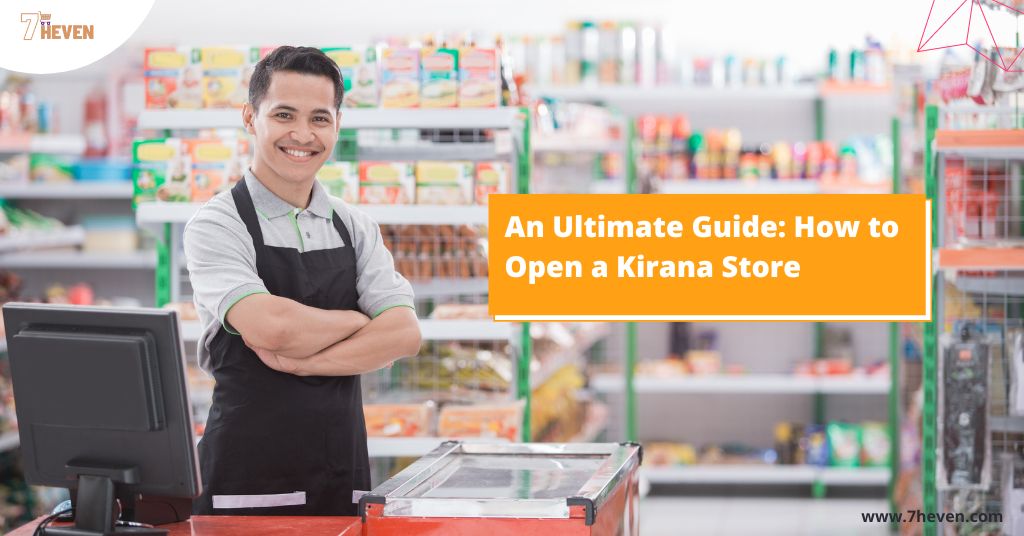
Every nook and corner in India is home to a Kirana shop that sells necessities for daily life. Many people who want to start their own business, learn how to open a Kirana store and setup their store. And they are very right about it being a low investment and high profitabe business opportunity. Many surveys have concluded that the kirana and supermarket industry is growing at a rate of 25% -30% every year. So, let’s help you learn everything you need to know about starting a small Kirana shop before you start it. Assessing the Need for a Kirana Store in Your Area 1. Target Customer Research Without a strong business plan, no company can run profitably for very long. To price products appropriately, one must be aware of the demographics of their target market and the average income of the area they serve. You should focus on making everything you sell, every offer, the prices, the discounts, and everything else customer centric. You all should know your target customers better than you know your wife. Research your customers and also the influencers in your market. You may also need to estimate the number of workers your startup will require for delivery, packing, etc. 2. Competitor Analysis Knowing your target customers is not enough, you must know your competitors very deeply as well. Perform a deep SWOT analysis of every powerful competitor and then see what can you copy from them and what you can d better than them. Analyze every move of your top competitors and learn from them to beat them. Make sure you have enough inventory to cover any good shortages in other stores. Look for innovative ways to market your business to stand out from the competition. These 2 analyses are a must if you want to learn, how to open a kirana store. Finding the Right Location for Your Kirana Store Since the area in which you want to open your Kirana store could help you break even before you start operating effectively, it is an important factor to take into account. To determine the kind of goods you’ll be willing to sell, you must first determine the type of customer base you have targeted, Once you have done it you look for the area that has the highest population of your customer base. It has to be very detailed and deeply researched because you may a lot. 1. Cost Analysis Preparing an estimate of the costs and expenses involved and, consequently, the amount of investment required to open a kirana store is one of the most crucial aspects of starting a Kirana shop business. Less funding and personnel will be needed to set up and successfully run a Kirana store if you are considering opening a small one. Massive investments are needed to open a big kirana location, and numerous employees must be hired to ensure the business runs smoothly, if you want to scale and retire it. So calculate your one time investments, your rehgular expenses, income and profit for the best finance management. 2. Creating a Business Plan for Your Kirana Store Everything that you will to make your kirana store profitable and successful should be planned. From having to open a kirana store to establishing it, to further scaling it and automating it. This will require your marketing, beaningm inventory management, transportation, backend, softwares, hiring and training people and everything. Once you have planned these you would go forward to deciding your goals and objectives. 3. Business Goals and Objectives After you have created the overall plan, it is time for you to get into details, because the magic happens in the details. Turn your plan into big goals and further into a actionable objectives. It can start like getting the legal certifications and licenses, Tax registration and requirements, marketing, transportation, inventory management, hiring and training etc. Registering Your Kirana Store and Meeting Compliance Legal Requirements You can move forward with completing the required legal formalities once you have determined the size and scope of your business.  There are several registrations required for a Kirana store: Registration for Shops & Establishments Food Permit Registration of Entities  Optional GST Your Kirana business must register under GST if its yearly revenue exceeds Rs. 20 lakhs in order to get a GSTIN, which is a 15-digit unique identification number. Licences and Permits The law mandates that you, as a merchant in Kirana, obtain a number of licences and permits from the relevant authorities and make sure your company is GST-registered. Tax Registration The taxation rules for grocery stores across India have changed due to the Goods and Services Tax. Every owner of a business must pay taxes and register for the GST. Once a grocery store is established and GST is registered, it will receive a GSTIN, a 15-digit code that serves as a unique number to identify GST numbers. Also Read: Top Five Keys For Success When Opening A Franchise Business Building an Effective Inventory Management System Stocking Up on Products You now have a ready business plan, budget, and research. Stocking up on goods to sell is best done right now. You will worry about losing money and perishable goods if you purchase a lot of goods and do not find buyers soon. Additionally, if your inventory is low and you have a large number of customers who leave your store empty-handed, they might decide not to come back. A balanced stock should be present. Managing Inventory Picking out the products and brands you want to sell is the first step in managing an inventory. Visit your neighborhood department store to review the top-selling items. Purchasing options include going through a distributor or, possibly more expensively, purchasing it directly from the wholesaler. Ordering and Receiving Products Inventory management software for online businesses is another option. By using this method rather than doing it manually, you will be able to integrate digital receipts and payments more quickly.  Pricing Strategy for Your Kirana

An Ultimate Guide: How to Open a Kirana Store Read More »

Entrepreneur in 2022

Willing to become an Entrepreneur in 2022?

Are you fed up with your job and willing to start your own profitable business in 2022? According to the scenario starting a 7HEVEN Supermarket franchise could be an ideal choice for you. Starting a grocery business does not require any technical skill, it just requires basic knowledge for smooth working at the store. This is one of the businesses that never face a recession period in the year and always in profit. So, that it can be started anytime and anywhere in the country with huge earning potential. With the number of benefits that have emerged, the idea of starting a grocery business caught the eyes of many businesses in the country.  You might be thinking, why am I emphasizing the grocery business, and can it really make good money? So, let’s discuss some reasons that why starting a grocery business can bring you good money. Minimum start up amount to become an Entrepreneur 7HEVEN grocery business franchise does not require huge funds, the start up expenses are very minimal. It only requires your time and effort. Unlike other businesses, you dont require any technology to operate the business or IT staff. The earring is depends on the number of customers you have served and your services which is crucial for the success as well as the growth of the company. You are likely to invest in the formal space for conducting the business and well trained staff.  Good earning potential COVID-19 pandemic has forced us to stay inside our homes and online shopping is an easy resource for buying essentials even Research says that the retail industry is full of immense opportunities in 2022. Apart from grocery shopping, the 7HEVEN retail industry also offers additional services or add on benefits that can increase your earnings to more.  Flexible working hours Unlike other businesses, the 7HEVEN grocery store franchise can be operated either full time or part time. We provide you a team of experts who will always on the floor to help your business. There are many retailers who start their business and it is taken care of by their managers.  You can have flexibility which can be an advantage to those people who cannot give their full time to a job or business due to health or any reason.  Start small & Grow with time  One of the important things you need to keep in mind that you should target the whole market from the beginning itself. Give some time to your business, you may have limited funds and resources. So, it is important to start your business with small capital in a small area. Later, your business itself expands with time and will grow.  Competitiveness The ultimate fact is no matter the size of your business in the industry, you always have to face competition in the market and if you are able to promote your brand in the market, you will always be in top priority of the customers. 7HEVEN retail industry provides you proper guidance regarding your store from scratch to becoming a big brand in your locality. We provide a readymade grocery store that you can start easing from day one and you will also get a proven system of operations. We help you to avoid so many mistakes that new entrepreneurs make in their business.  Transforming consumer behavior Customers are the essence of your business, online shopping has already transformed their behavior in the past decade. The only reason for the success of online shopping is customers prefer their convenience over cost. Earlier grocery shopping was a trend but today, during the lockdown, it has become a necessity for every household. From this perspective, the 7HEVEN retail industry is the need of today; and a perfect business idea to make a profit in current conditions.  Assured industry growth Online grocery shopping is booming in India. The retail industry is witnessing a massive increase in the number of customers every day.  “The overall retail market is set to cross the $1.75 trillion mark by 2026; and it is set to grow at a CAGR of 30 percent for gross merchandise value to be worth $200 billion by 2026.” The data giving assurance that the growth of online grocer seems to be quite high in near future. 7HEVEN retail industry is a readymade solution for new players in the industry.  The above top reasons are supporting that the online retail business is the need of today; and has many opportunities for aspiring entrepreneurs. It is correct to say that there is huge competition in the industry. 7HEVEN retail industry can be a feature rich platform to stand ahead in the competitive market. 7HEVEN retail industry is a trusted trinket solution for your requirements; and can help in making a profit out of your retail supermarket and drive potential business growth. 

Willing to become an Entrepreneur in 2022? Read More »

Get In Touch

Call Now Button