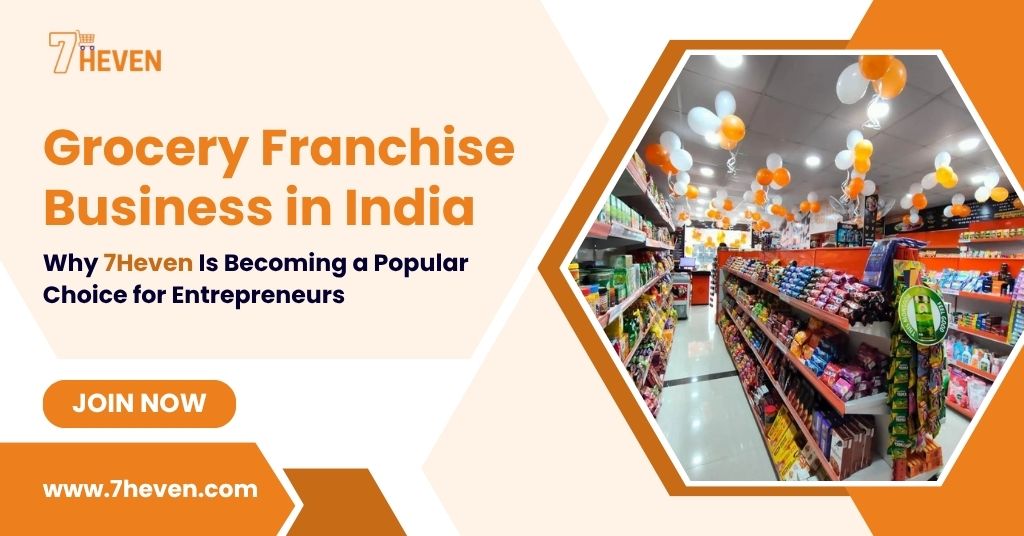
Grocery Franchise Business in India: Why 7Heven Is Becoming a Popular Choice for Entrepreneurs
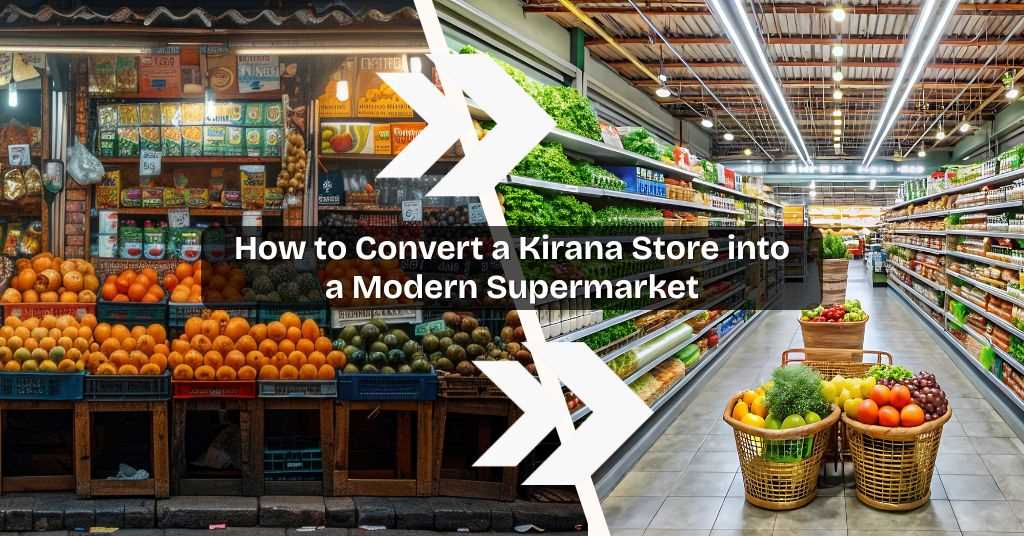
The grocery industry in India is one of the most popular sectors. According to needs, the sector becomes more stable and grows rapidly. Every household depends on daily groceries, including food, beverages, vegetables, and skin care products. Because of these daily needs, the sector’s growth rate is higher than the growth rate. Because these products are now part of daily life, the grocery business remains active regardless of economic conditions. Over the past 200 years, the demand for groceries has increased the demand for well-structured supermarkets where people find all grocery items in one shop. A well-structured supermarket helps customers to find the necessary things in one shop. Now, customers prefer organized supermarkets and modern grocery stores where they can find proper daily essentials under one roof. This factor created a strong demand for supermarket chains and grocery franchises in India. Now, for entrepreneurs who want to start a business in this sector, the grocery franchise business in India has become a better option. Because now, many new investors choose well-structured franchise models. According to current time, 7Heven is becoming a popular choice for entrepreneurs who want to build a well – structured supermarket business with proper guidance. The article helps us to explain the growth of the grocery franchise industry, the advantages of the franchise model, and why 7Heven is becoming popular among investors across the country. Growth of the Grocery Retail Market in India India’s grocery market has become one of the largest and most popular markets all over the world. With the growth of population and rising urbanization, the demand for well-structured, organized grocery stores continues to grow. Here are some factors that are driving this growth:- Increasing urban population and residential communities Change also changes the customer’s shopping habits Demand for clean, organized supermarkets Growth of packaged and branded products Traditional kirana stores are usually used by many people for shopping for home essential things. Organized supermarkets are expanding quickly because they provide a better shopping experience. As a result, the supermarket franchise model is becoming one of the best-promising retail opportunities for new entrepreneurs. Why Do Many Entrepreneurs Prefer the Grocery Franchise Model? Starting a grocery store independently is challenging because it requires a strong connection with suppliers, managing skills and retail a better connection with experience. Most of the new business owners struggle in the starting period because they do not have permission to provide structured support. This is a reason why the franchise model is becoming very popular. A grocery franchise always provides a ready and structured business that helps the entrepreneurs to start their own store with better planning and guidance. For investors, understanding the grocery franchise cost in India is also an important step before choosing the right franchise model. Some of the major advantages of selecting a grocery franchise include:- Brand recognition that attracts customers Business guidance for new businesses and entrepreneurs Established supplier networks for consistent product supply. Marketing and promotional support from brands Operational systems that make simple store management. These advantages lessen the risk for first-time investors and make the business more convenient to handle. Challenges of Starting an Independent Grocery Store Many challenges to starting an independent grocery store. Without any connection, support, or guidance, it becomes difficult to manage a new business. Without proper support and systems, managing an independent store becomes difficult, which is why many investors compare a grocery franchise vs independent store before making a decision. Some of the most common challenges are:- Finding suppliers and managing product Organising the store blueprint and product placement. Handling thousands of product SKUs smoothly. Retaining reliable inventory levels Making costing strategies and promotional deals Managing billing staff, management, and regular operations Handle the counter, staff, etc Without proper management, these challenges can easily slow down the business growth and reduce the profit rate. That’s why most entrepreneurs prefer a well-structured franchise model where these factors are already arranged. What Makes a Grocery Franchise Successful? Before choosing a franchise, it’s important to understand the key success factors and have a clear supermarket business plan in place to ensure long-term growth. A strong supermarket franchise usually offers:- organized and structured supply chain Access to multiple brands and product categories Clean and clear store setup and operational guidance Business systems that easily simplify regular operations An expandable business approach that works in different cities These factors help to ensure that the supermarket runs more effectively and stays competitive in the local markets. Why Is 7Heven Becoming a Popular Choice for Entrepreneurs? As compared to other supermarket brands in India, The 7Heven has built a strong reputation as a structured grocery franchise model. The brand mainly focuses on supporting entrepreneurs who want to start their own supermarket business. Many other brands usually focus on store expansion, but The 7Heven emphasizes building an organized supermarket ecosystem that benefits both customers and store owners. Entrepreneurs are very interested in choosing The 7Heven because the brand provides business guidance, supply chain, and operational support that help run the supermarket business smoothly. 1. Strong Brand Presence and Growing Network One of the major indicators of a successful franchise brand is its presence in the market. Over the recent past years, 7Heven has expanded its networks across several states in India. Today, the brand has achieved: 500+ supermarket outlets all over India Present in 85+ cities Active operation in 13+states Serving millions Active operations in 14+ states Supporting millions of consumers across the country. This growing network easily understands the brand’s operational capability and its ability to adjust to different markets and consumers’ choices. A powerful brand presence also helps to attract customers in new stores easily, as people are more comfortable shopping from a well-recognized brand. 2. Access to 1200+ Brands and 20,000+ Products Product presence plays an important role in supermarket success. Consumers usually expect a large variety of products when they visit a modern grocery store. 7Heven provides access to: 1200+ national and international brands 20000+ grocery and household products