
Earlier, most people preferred visiting nearby grocery stores to buy their daily essentials. Today, shopping habits have changed. Customers now expect convenience, faster service, multiple payment options, and the flexibility to shop both online and in-store. As technology continues to shape the retail industry, supermarkets are adopting new ways to meet these changing expectations.
The future of retail supermarkets is no longer limited to having well-stocked shelves. It is about creating a smooth shopping experience through modern technology, better inventory management, home delivery, and digital services. For entrepreneurs planning to invest in a supermarket franchise in India, understanding these changes is important to build a business that can grow with customer needs. In this blog, we’ll explore how retail supermarkets are evolving and the key trends shaping the future of grocery shopping.
How Grocery Shopping Has Evolved
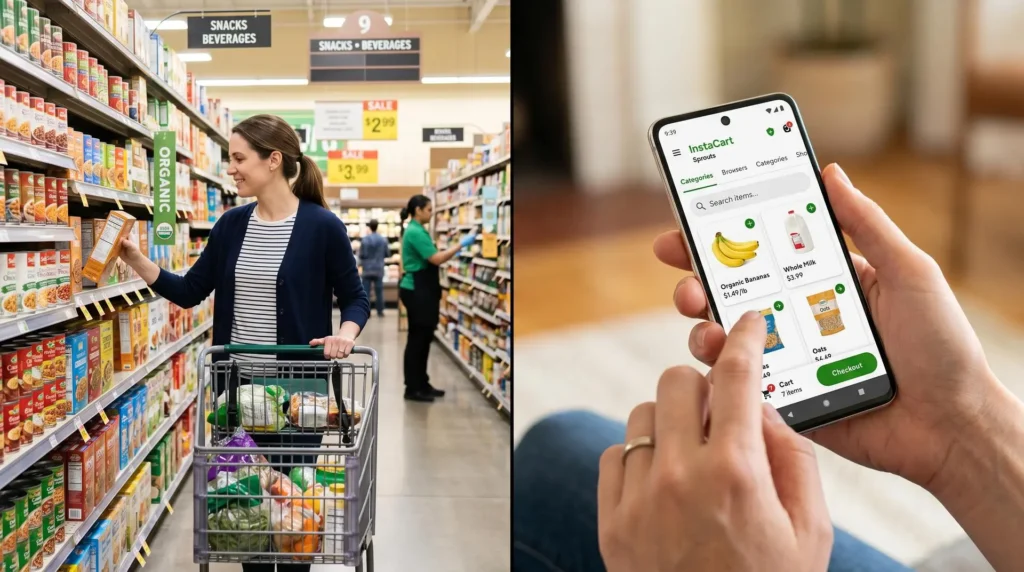
Earlier, most people preferred visiting nearby grocery stores to buy daily essentials. Shopping in person allowed customers to check product quality, compare prices, and purchase everything they needed in one visit. Today, shopping habits have changed. Busy lifestyles, smartphones, and better internet access have made online grocery shopping more common. Customers now enjoy the convenience of ordering groceries from home while still visiting physical stores whenever they want. As a result, supermarkets are adapting to meet both online and offline shopping needs.
Rise of Online and Offline Retail Integration
Modern supermarkets are no longer limited to physical stores. Many retailers now combine their offline stores with online ordering to give customers more flexibility. A customer may place an order online and choose home delivery or visit the store to complete the purchase. This combination helps businesses serve more customers while offering greater convenience. Retailers that successfully connect both shopping methods can improve customer satisfaction and grow their business.
Importance of Technology
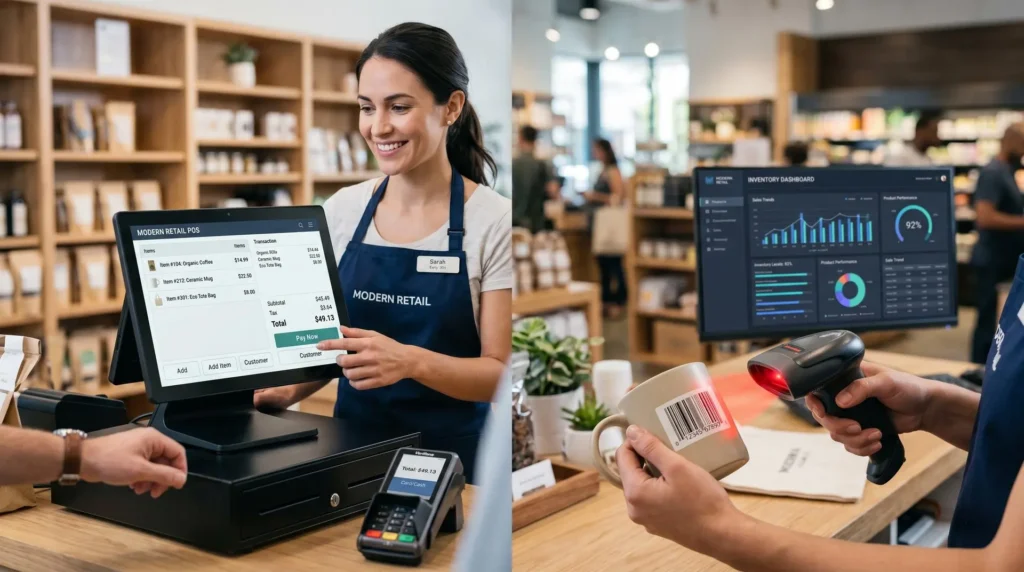
Technology has become an important part of running a successful supermarket. It helps retailers manage billing, inventory, customer records, and sales more efficiently. Modern software also reduces manual work and improves accuracy. With better technology, supermarket owners can save time, reduce errors, and make informed business decisions. Investing in the right tools also prepares businesses for future growth.
Inventory Management Matters More Than Ever
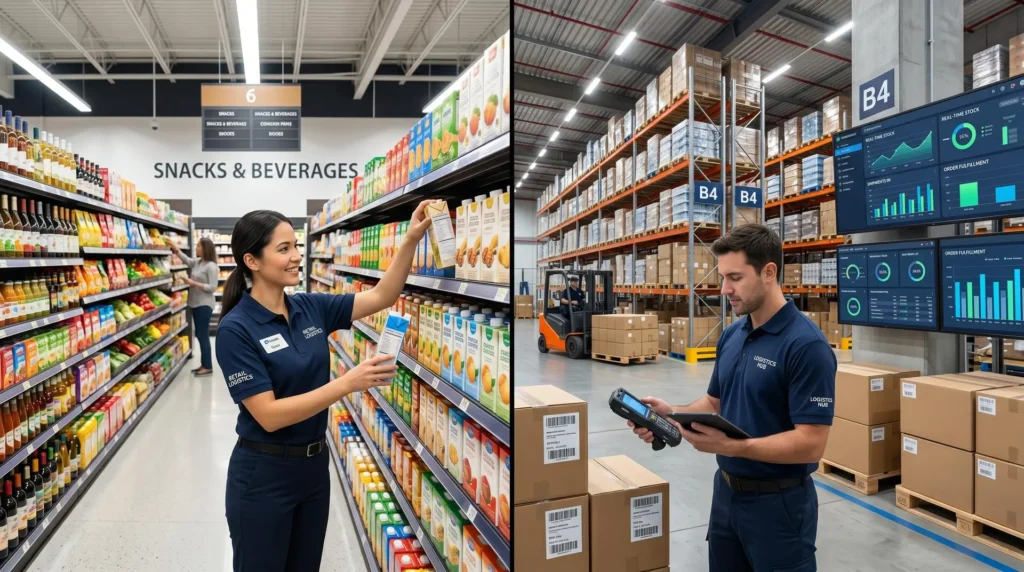
Keeping the right products in stock is one of the biggest responsibilities of a supermarket owner. Poor inventory management can lead to empty shelves or unnecessary stock that increases costs. A well-managed inventory system helps retailers track products, monitor demand, and restock items on time. This improves customer satisfaction and reduces wastage, making the business more efficient.
Customer Experience is the New Competitive Advantage
Today’s customers expect more than just good products. They also value clean stores, friendly staff, quick billing, and easy shopping. A positive shopping experience encourages customers to return and recommend the store to others. Retailers that focus on customer satisfaction can build long-term relationships and create a loyal customer base.
Home Delivery is Becoming an Expectation
Home delivery has become an important service for many supermarkets. Customers appreciate the convenience of receiving groceries at their doorstep, especially when they have busy schedules. Fast delivery, accurate orders, and reliable service help improve customer trust. Offering home delivery also allows supermarkets to reach more customers beyond their immediate location.
Digital Payments are Changing Retail
Cashless payments have become a regular part of grocery shopping. Customers now prefer using UPI, debit cards, credit cards, and digital wallets because they are fast and secure. Providing multiple payment options improves the shopping experience and helps retailers complete transactions quickly. Digital payments also make record-keeping easier for businesses.
Omnichannel Retail is the Future
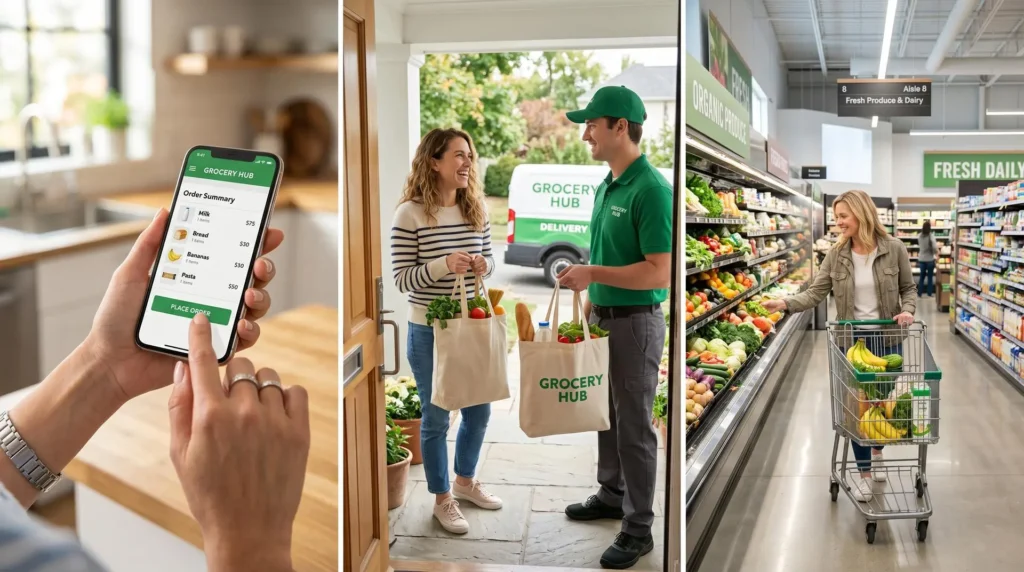
Customers want the freedom to shop in the way that suits them best. Some prefer visiting the store, while others like ordering online. Omnichannel retail brings both experiences together by allowing customers to switch easily between online and offline shopping. This approach helps supermarkets provide better service and remain competitive in a changing market.
Future Trends in Retail Supermarkets
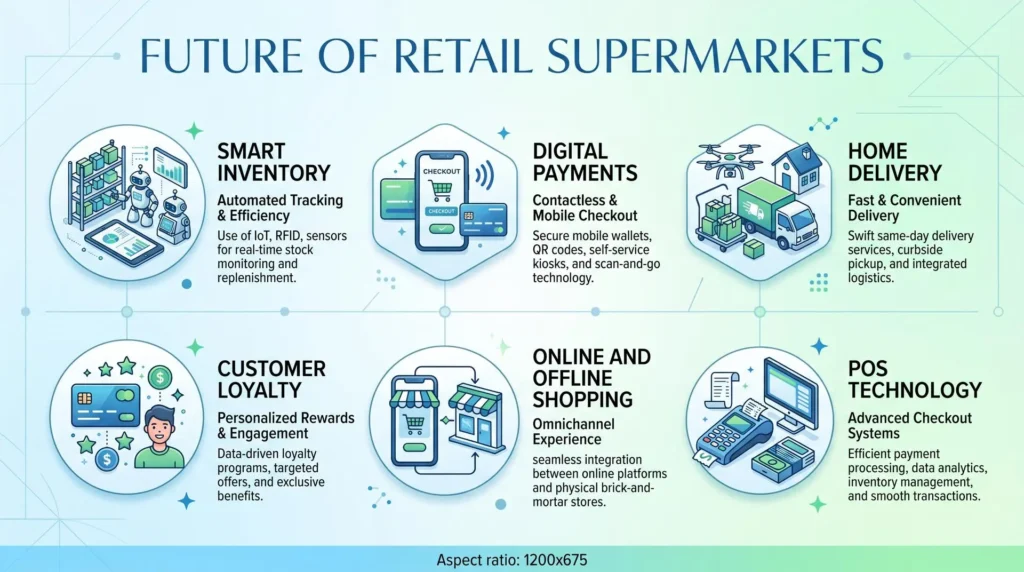
The retail supermarket industry continues to grow as customer expectations change. Businesses are adopting smart technology, automated inventory systems, digital loyalty programs, and faster delivery services to improve operations. Retailers that stay updated with these trends are better prepared to meet customer needs and build a stronger business for the future.
How 7Heven Supports Modern Supermarket Businesses
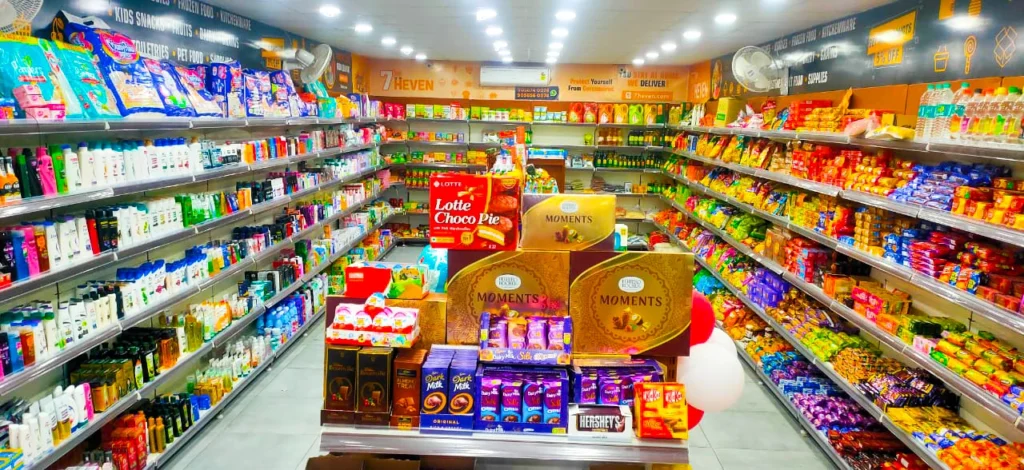
The retail supermarket industry continues to grow as customer expectations change. Businesses are adopting smart technology, automated inventory systems, digital loyalty programs, and faster delivery services to improve operations. Retailers that stay updated with these trends are better prepared to meet customer needs and build a stronger business for the future.
Conclusion
The retail supermarket industry continues to evolve as customer expectations and shopping habits change. From technology and inventory management to home delivery and digital payments, modern supermarkets are adopting new ways to provide a better shopping experience. Businesses that embrace these changes are better prepared to meet customer needs and stay competitive in the long run.
For entrepreneurs planning to enter the retail industry, choosing the right business model and staying updated with modern retail practices can make a significant difference. 7Heven supports aspiring supermarket owners by providing the tools, guidance, and operational support needed to build a modern supermarket business. As the future of retail continues to grow, adapting to changing market trends will be the key to long-term success.