How to Increase Footfall in Your Supermarket Without Increasing Expenses
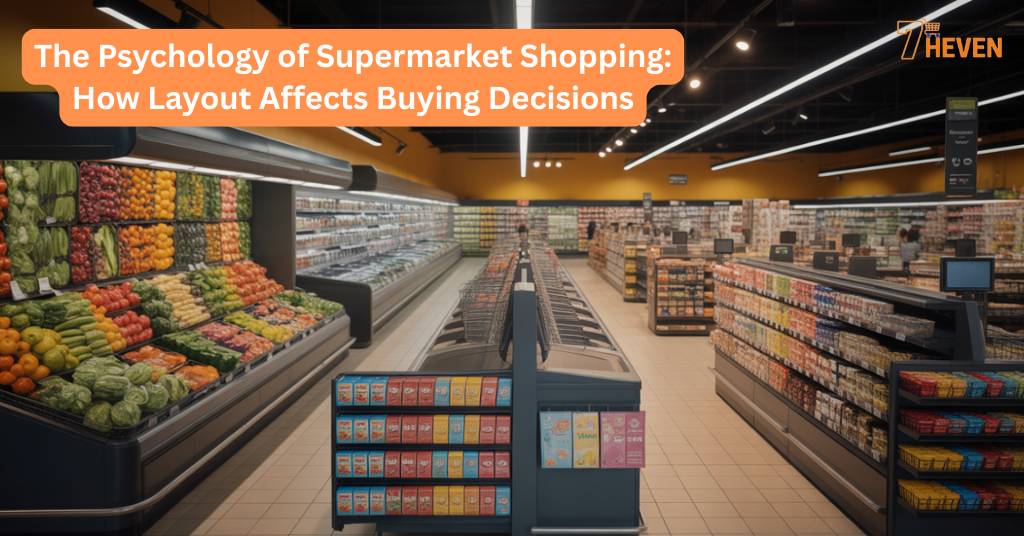
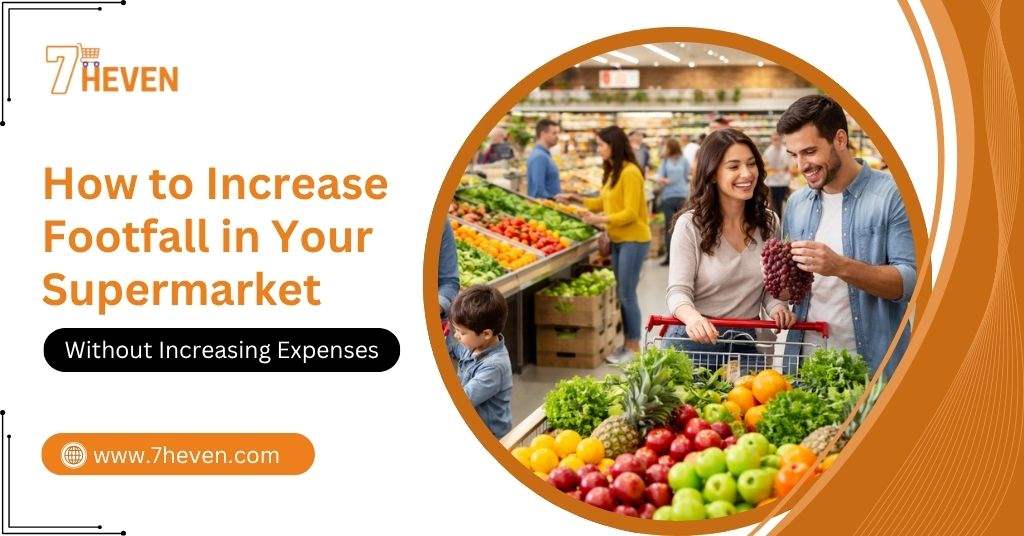
When it comes to the supermarket business, footfall is one of the most crucial factors that directly affects your overall sales. Footfalls means the number of people who visit your store every day. So, the more customers enter your supermarket, the higher your probability of converting those visits into actual purchases. Numerous owners of supermarkets believe that it requires spending money to increase footfall through advertisements, discounts, or sometimes other promotions. It’s true that paid marketing can smartly help, but it’s not always necessary, indeed. Customers like to visit stores that are easily accessible, well-organized, and reliable. And, if your supermarket provides them with a smooth shopping experience and consistently meets their expectations, then they will naturally choose your store over others. In this guide, we’ll explore several practical and proven ways in order to increase footfall in your supermarket without even increasing your expenses, and focus on improvements that truly create long-term results. Why Footfall Is Important for a Supermarket Business Footfall is the number of customers entering your supermarket, and it directly impacts your sales. The more people visit your store, the higher your chances of making purchases, even if not everyone buys something. Supermarkets run on volume, so consistent customer flow is essential for growth. Higher footfall also builds trust, as busy stores attract more new customers. It improves product movement, reduces stock issues, and helps create repeat customers. In simple terms, increasing footfall is the easiest way to grow your supermarket business naturally. You can also understand how your business model affects growth by exploring supermarket franchise vs independent store. Footfall is actually the number of customers who enter your supermarket. It directly influences your sales. As discussed earlier, the more people visit your store, the higher your chances of making purchases, even if not everyone buys something. It’s a fact that supermarkets run on volume, so it’s essential to maintain customer flow for growth. Understand Why Customers Choose One Supermarket Over Another Customers generally have several supermarket alternatives in their area, so they choose based on experience and convenience rather than randomly. If you are planning to improve or expand your store, you can also explore how to start a supermarket franchise to understand better business opportunities and growth potential. 1. Convenience and Accessibility A store that’s easy to enter, clearly visible from the road, and accessible without even confusion has the potential to naturally attract more walk-ins. If your customers feel it’s easy to stop by your store during their daily routine, they are more interested and likely to visit regularly. 2. Product Availability One of the biggest reasons customers often switch supermarkets is the unavailability of basic products. It’s obvious that they will visit such supermarkets where they can purchase essentials like milk, bread, or groceries. And, if they can’t find such essentials, then they lose trust in the store and may not return. 3. Trust and Familiarity Customers like supermarkets where they truly feel comfortable and confident. This is because a clean environment, familiar layout, and consistent product availability create a sense of trust. Over time, this trust turns into the main reason why customers keep returning to the same store. Improve Store Visibility to Attract More Walk-Ins Your store’s external appearance plays a major role in driving customers. Most of the customers decide whether to enter a store within a few seconds of seeing it from the outside. 1. Make Your Store Noticeable from Distance Your signboard should always be clear, well-lit, and easy to read. Especially during even hours, pop-up lighting can make your store stand out and bring attention from passing customers. 2. Keep Entrance Clean and Attractive A clean and open entrance creates a positive first impression. If the entry area is cluttered or even difficult to access, then customers may hesitate to walk in. So, keeping the entrance clean and welcoming promotes spontaneous visits. 3. Use Front Display Smartly Displaying high-demand or sometimes products that are visually appealing near the entrance can trigger curiosity. Customers mostly walk into a store simply because something caught their attention outside. Optimize Store Layout for Better Customer Movement If your store is well-organized, it makes your shopping easier and more enjoyable. If customers feel comfortable navigating your store, then they are more likely to spend time and return again. To improve this further, you can explore supermarket layout design tips to create a more efficient and customer-friendly store structure. 1. Easy Navigation Inside the Store Products should be arranged in a logical way so customers can easily find what they are looking for. Clear categorization, such as groceries, snacks, and personal care, helps reduce confusion. 2. Strategic Placement of Daily Essentials Placing daily-use items in visible and accessible areas ensures customers can quickly find them. At the same time, positioning them in a way that encourages movement inside the store can increase product exposure. 3. Smooth Billing Counter Experience Billing is the final step of the shopping experience. If customers have to wait too long or face confusion at checkout, it can leave a negative impression. A smooth and quick billing process improves overall satisfaction. Ensure Availability of Fast-Moving Products Why Stock Availability Builds Trust Product availability is one of the strongest factors that influence customer loyalty. When customers consistently find what they need in your store, they develop trust and prefer your supermarket over others. Focus on Daily Essentials Daily-use products should never go out of stock. Even a few missing items can make customers feel that your store is unreliable. Maintaining proper inventory levels ensures that customers can depend on your store for their regular needs. Use Smart Product Placement to Increase Engagement 1. Highlight High-Demand Products Placing popular products at eye level ensures that customers notice them immediately. Now, this increases both visibility and sales without any additional effort. To further improve results, you can explore ways to increase supermarket sales by using simple and effective in-store strategies. 2. Use End Shelves and Displays End shelves are
How to Increase Footfall in Your Supermarket Without Increasing Expenses Read More »